
Christmas traditions in Mexico: origin and flavors that unite
Christmas traditions in Mexico that we continue to celebrate
Learn more
Index
The origin of Christmas traditions in Mexico
The Christmas traditions in Mexico are born of the encounter between cultures. After the arrival of the Spaniards, religious celebrations merged with indigenous expressions, creating a December full of color, music and flavor. “Mexico turned Christmas into a collective celebration”.marked by coexistence and generosity.
Today, these customs live on in homes, streets and restaurants that honor the warmth of the authentic. the warmth of the authentic.
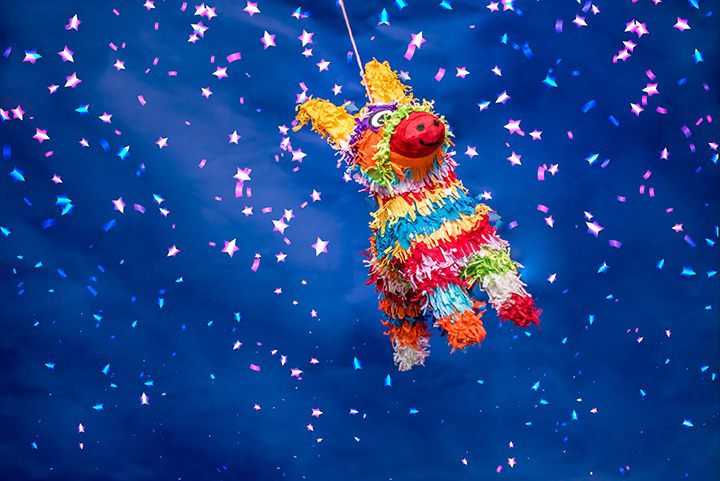
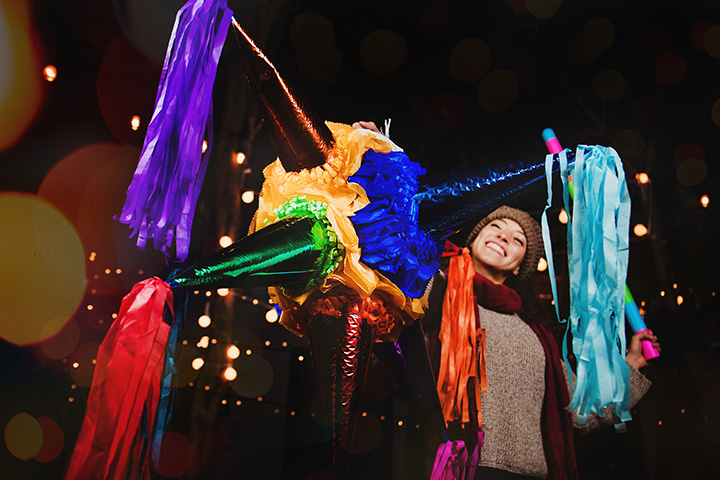
Piñatas: colors, symbolism and tradition
The Mexican piñatas have their origin in the evangelizing practices of the 16th century. With its seven spikes representing the deadly sins and the colors symbolizing temptation, the piñata taught – through play – the struggle of good against evil.
Over time, the tradition evolved and became the most awaited moment of the posadas, where children and adults share laughter, songs and candy.
At Centenario 107this tradition is present in every detail of the season: festive decorations, family atmosphere and dishes that evoke the warmth of traditional posadas. And this year, the entire Centenario 107 team will be carrying a piñata with a written intention.a symbolic gesture to honor our roots, give thanks for what we have experienced and celebrate that we continue to share the traditions that unite us generation after generation.
The aguinaldo: from spiritual gift to family detail
The aguinaldo came about as an expression of gratitude. During the ancient posadas, small baskets with fruits, candies and cookies were given as a symbol of blessing and union.
Over the years, the aguinaldo has become a gesture that reflects affection and abundance. “A detail that fills the heart more than the hands”.
In December, to give an aguinaldo is to keep saying: here I am with you, I wish you a better year..
How Centenario 107 keeps these traditions alive
At Centenario 107, a restaurant in Coyoacan, CoyoacánChristmas is celebrated as it should be: with tradition, Mexican tradition, Mexican cuisine and hospitality.
Here, flavors tell stories: carefully selected wines, family recipes and that warm atmosphere that brings us back to basics.
The Christmas traditions in Mexico live in every table and every toast. It is a place where people share, live together and enjoy themselves as if they were at home.
Mexican Christmas traditions and gastronomy: a union that endures
Christmas traditions are strengthened thanks to spaces that honor them. Centenario 107 welcomes December with music, flavor and that spirit that only Coyoacán inspires. Each dish is a bridge between generations: grandparents, parents, children and friends sharing what makes Mexico great: its gastronomy and traditions.
Christmas traditions and experience in Coyoacán
In the cultural heart of the city, Christmas traditions Christmas traditions in Mexico feel more alive than ever. At Centenario 107, December becomes an invitation to reconnect with who we are: community, flavor and celebration.
The Christmas traditions in Mexico and the flavors that accompany them continue to be the soul of our celebrations. At Centennial 107are honored with affection and authenticity.
Enjoy this December surrounded by tradition, gastronomy and moments that unite.
Reserve your table and live Christmas as it should be… with flavors for the soul and the palate.