
World Red Wine Day: Discover How It's Made and How to Enjoy It
Learn about the red wine-making process, the main types of red wine and their differences, and discover where to enjoy a good glass of wine in Coyoacán.
Treat Yourself
World World Red Wine Day is an opportunity to learn more about one of the most beloved beverages in gastronomy and discover everything that goes into each glass. From grape selection to fermentation and aging, wine undergoes a process that influences its flavor, aroma, and color. Whether you’re just learning about wine or enjoy sampling different varieties, at Centenario 107 in Coyoacán, you can pair your meal with a bottle to share or choose wine by the glass to savor your favorite at your own pace.
How is red wine made?
The red wine is produced mainly from red grape varieties. Its production combines tradition, expertise, and care at every stage to achieve different flavor and aroma profiles.
Although the process may vary depending on the producer and the desired style, it generally includes the following steps:
- Harvesting and selecting the grapes
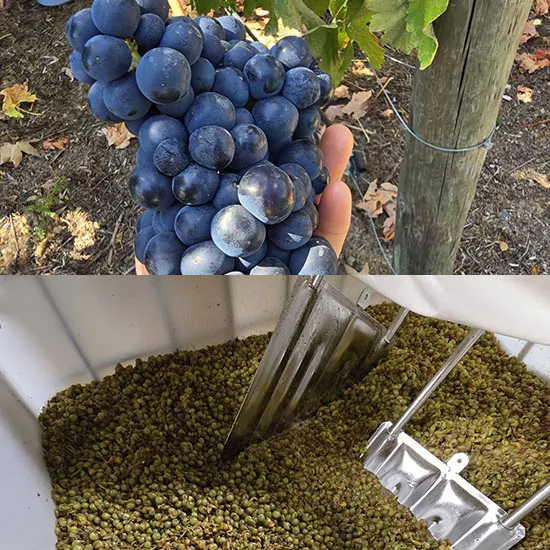
It all begins with harvesting the grapes when they reach the right level of ripeness. Next, the grapes are sorted to select only those that meet the necessary criteria for winemaking.
- Destemming and Crushing
The grapes are separated from the stems and gently crushed to release their juice. In many red wines, the juice remains in contact with the skins for part of the process, as the skins contribute color, aromas, and tannins.
- Fermentation
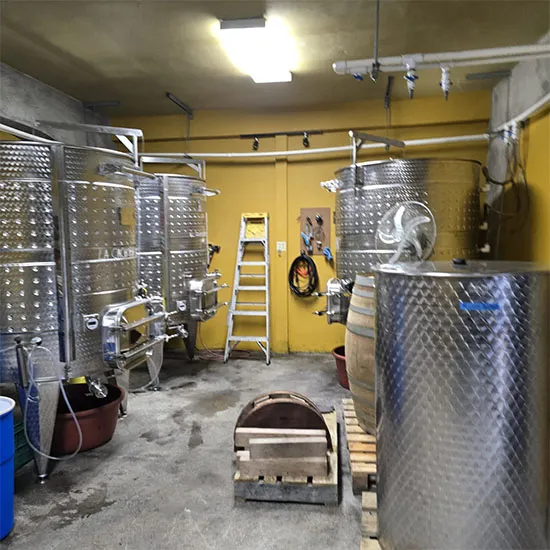
During this stage, yeasts convert the natural sugar in the grapes into alcohol and release other compounds that contribute to the wine’s flavor and aroma. The duration and temperature of fermentation influence the final result.
- Maceration and Extraction
Allowing the juice to come into contact with the skins extracts the color and other components that characterize red wine. Depending on the maceration time and the techniques used, the result can be lighter, more intense, or more structured.
- Aging and Maturation
Some wines are enjoyed relatively young, while others undergo a period of aging in tanks or wooden barrels. Aging can impart notes such as vanilla, spices, or toasted flavors, as well as alter the texture and aromas.
- Bottled
Finally, the wine is prepared for bottling and sale. Depending on its style, it may be ready to enjoy shortly thereafter or continue to age in the bottle.
Every decision made during this process influences the characteristics of the wine. That is why two wines made from grapes of the same variety can offer very different experiences.
Types of Red Wine and Their Differences
Not all red wines taste the same. Some are fresh and easy to drink, while others have more intense flavors, higher tannin levels, or a longer finish.
Learning about some of the most popular varieties will help you choose based on your tastes and the foods you want to pair them with.
Merlot: smooth and balanced
Merlot is often noted for its flavors of plum, cherry, and other ripe fruits. It generally has soft tannins and a pleasant texture, making it a good choice for those just beginning to explore the world of red wine.
It pairs well with pasta, pizza, white meats, and moderately flavorful dishes.
Cabernet Sauvignon: intense and structured
This variety typically offers flavors of black fruits, such as blackcurrant and plum, along with more pronounced tannins. Depending on its production and aging, it may also feature notes of spices, cedar, or wood.
It’s a good choice to pair with red meats, grilled cuts, and dishes with intense flavors.
Shiraz or Syrah: Spicy and Fruity
Known as Syrah in many regions and as Shiraz in others, this wine can feature notes of blackberries, pepper, and spices. Its intensity varies depending on its region of origin and winemaking style.
It’s a great choice to pair with grilled meats, spicy dishes, and dishes with rich flavors.
Sangiovese: fresh with good acidity
Sangiovese is an Italian grape variety that is often noted for its notes of cherry, red berries, and herbs. Its acidity helps balance the flavors of food, making it an excellent pairing for pasta with tomato sauce, pizza, and Italian-inspired dishes.
What is the difference between these wines?
The main difference lies in the combination of aromas, acidity, tannins, body, and mouthfeel. Simply put, some wines feel lighter and fresher, while others are more intense and leave a more pronounced impression.
Other factors that influence the taste include the climate where the grapes are grown, the degree of ripeness, the winemaking techniques, and the aging period. That’s why choosing a wine isn’t about finding the best one for everyone, but rather the one you enjoy the most.
How do you choose a good red wine to pair with your meal?
One of the best ways to enjoy red wine is to pair it with foods that complement its characteristics. You don’t need to be an expert to do this; you just need to keep a few simple tips in mind.
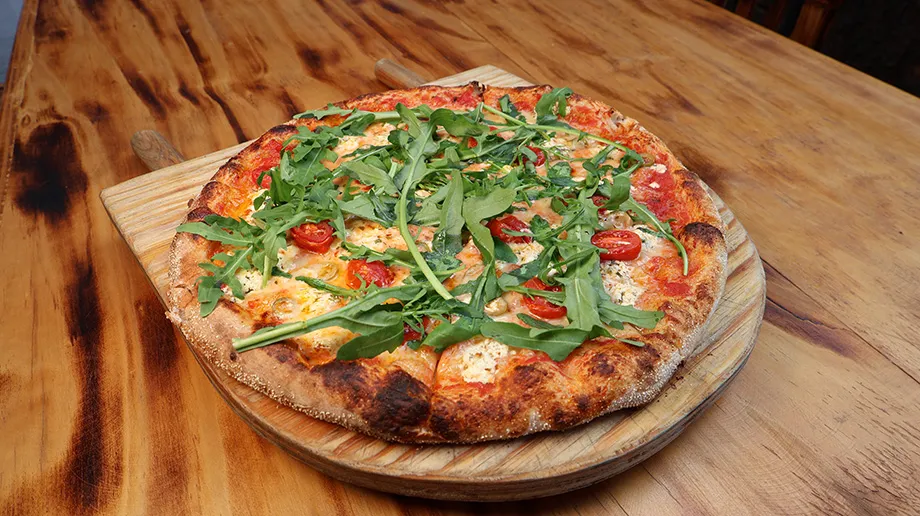
- For pasta and pizza: Choose fruity wines with good acidity, such as a Sangiovese.
- For red meats: try varieties with more body, such as Cabernet Sauvignon or Shiraz.
- For medium-intensity dishes: a Merlot can provide a well-balanced pairing.
- To discover your preferences: start with milder wines and then try more intense options.
These recommendations are meant as a guide, not strict rules. The important thing is that the wine complements the food without overpowering its flavors and that the pairing is enjoyable for you.
Enjoy a nice glass of red wine at Centenario 107
If you’re looking for a place to enjoy red wine in Coyoacán, at Centenario 107 you can turn any meal or gathering into a special experience.
Our selection includes options such as Casa Madero Merlot, Casa Madero Shiraz, Casa Madero Cabernet Sauvignon, and Sangiovese wines from Epicentro, subject to availability. This way, you can discover different styles and choose the one that best pairs with your meal.
Would you rather share? Order a bottle and enjoy the experience with friends, family, or that special someone. Would you like to try a few varieties before choosing your favorite? Wine by the glass lets you enjoy a glass without having to order a whole bottle.
Whether it’s for lunch, dinner, or a special occasion, wine is a great way to discover new flavors and enjoy the moment. At Centenario 107, we invite you to explore our wine selection and pair it with your favorite dishes in the cozy atmosphere of Coyoacán.
Conclusion: Discover red wine your way
The red wine has much more to offer than just its color and flavor: behind every bottle lies a winemaking process that shapes its aromas, intensity, and character. Learning about varieties like Merlot, Cabernet Sauvignon, Shiraz, and Sangiovese lets you choose with greater confidence and discover new pairings to enjoy with your meals.
This World Red Wine Day, give yourself the chance to try something different. Visit Centenario 107 in Coyoacán, enjoy a glass by the glass or share a bottle, and discover how a good wine can make the moment even more special.