
Mexican Avocado: History, Varieties, and the Taste of Mexico at Centenario 107
Avocado: An Ancient Ingredient That Is an Integral Part of Mexican Cuisine
Enjoy
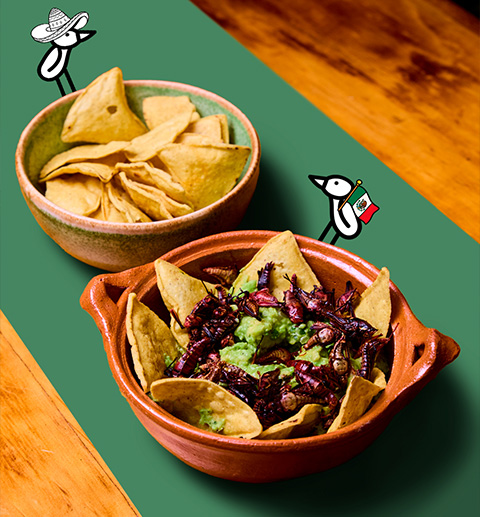
The avocado It is one of the most iconic ingredients in Mexican cuisine, but what is its origin, what varieties exist, and why is it so important to our cuisine? Native to Mesoamerica, this fruit has been part of the Mexican diet for thousands of years, and today there are different types of avocado grown in Mexico. In September, Centenario 107 celebrates this tradition with a special that combines two ingredients deeply rooted in our culture: Guacamole with grasshoppers—a dish that combines flavor, tradition, and pride in Mexican products.
The History of the Avocado in Mexico
The History of the avocado It is closely related to Mexico. Its cultivation dates back thousands of years, and there is evidence of its consumption as far back as pre-Hispanic times.
The Mesoamerican peoples were already familiar with its properties and used it as part of their diet. In fact, the name “avocado” comes from the Nahuatl language ahuacatl, a word that also referred to its shape.
Over time, the avocado became one of the essential ingredients in Mexican cuisine and began to be used in dishes that are now recognized both within and outside the country.
From traditional guacamole to salsas, tacos, salads, and various Mexican dishes, this fruit continues to play a central role in our cuisine.
How many types of avocados are there in Mexico?
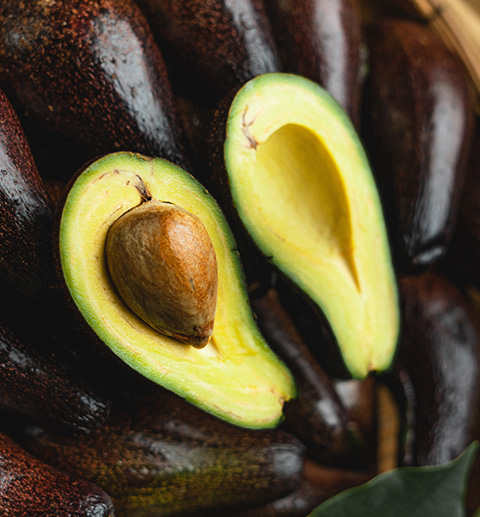
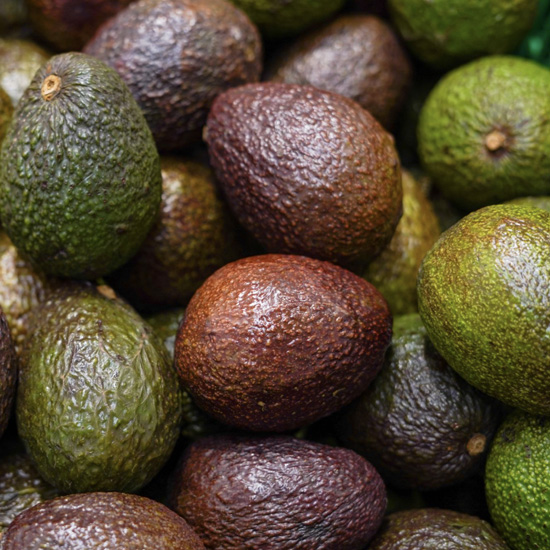
Mexico is one of the countries with the greatest diversity of avocado. Although Hass is the best-known and most widely consumed variety, there are other types that stand out for their characteristics, size, texture, and flavor.
Some of the varieties available include:
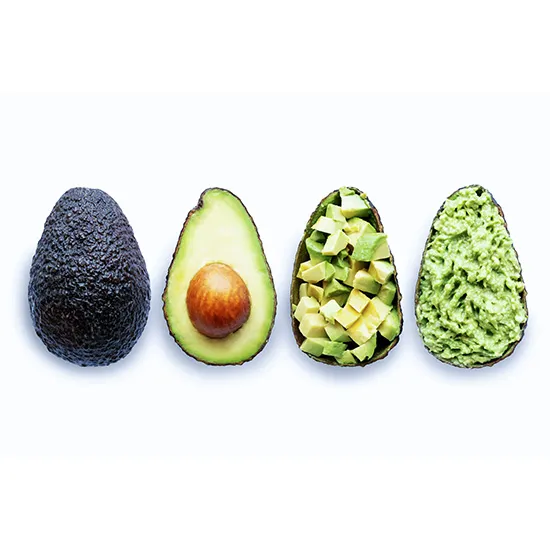
- Hass Avocado: It is one of the most popular varieties. It has a rough skin that turns from green to dark as it ripens and creamy flesh, making it ideal for making guacamole.
- Fuerte Avocado: It has smoother skin and soft-textured flesh. It is a traditional variety that is eaten in various regions of the country.
- Criollo Avocado: considered one of the oldest varieties, it usually has thin skin and a very distinctive flavor.
- Bacon Avocado: Although it is less common than other varieties, it can also be found in Mexico and is known for its thin skin and soft flesh.
- Pinkerton Avocado: This is an elongated variety with a small pit and a good amount of flesh.
The diversity of varieties allows the avocado to be enjoyed in different ways and highlights Mexico’s rich agricultural heritage.
Talking about avocado in Mexico is to also talk about guacamole.
This dish has pre-Hispanic roots and, over the years, has been adapted to different regions and tastes. Although there are many ways to prepare it, the avocado is always the main ingredient.
Its creamy texture makes it perfect for combining with ingredients such as tomatoes, onions, chili peppers, cilantro, lime, and salt, creating a simple yet flavorful dish.
And although the traditional recipe remains a favorite, our cuisine also allows us to experiment with new ingredients without losing sight of our roots.
Guacamole with grasshoppers: a Mexican tradition in every bite
Grasshoppers have been part of Mexican cuisine since pre-Hispanic times and are particularly characteristic of certain regions of the country.
Their flavor, texture, and preparation have made them an ingredient that remains a staple in contemporary Mexican cuisine.
That is why, at Centenario 107 , we decided to bring this combination to the table with our September special: guacamole with grasshoppers.
The result is a dish that combines the creaminess of the avocado with the distinctive flavor of grasshoppers, creating a dish that celebrates ingredients deeply rooted in Mexico’s culinary identity.
It’s an invitation to try something different, discover new flavors, and enjoy our traditions from a modern perspective.
Celebrating Mexican culture also means buying local
At Centenario 107, we believe that gastronomy is a way to connect with our roots and recognize the work of those who make it possible for ingredients to reach our table.
That’s why we support local businesses and use ingredients that are 100% organic and natural ingredients, carefully selected to be part of our culinary offerings.
Choosing Mexican products, shopping at local businesses, and learning about the origin of our food are small actions that help keep our traditions alive and strengthen the communities that are part of the food supply chain.
The avocado, grasshoppers, and many other Mexican ingredients all have a story behind them that’s worth learning about and, above all, enjoying.
September Has the Flavor of Mexico at Centenario 107
September is one of the best months to celebrate our cuisine, our culture, and the flavors that are part of our identity.
This month, you can enjoy Centenario 107 our special guacamole with grasshoppers—a combination that showcases the richness of Mexican ingredients and our passion for bringing them to your table.
If you’re in Coyoacán and want to enjoy a unique dining experience, this is your chance to try a dish that combines tradition, flavor, and a special touch.
Conclusion
The avocado It is much more than just an ingredient: it is part of Mexico’s history, culture, and culinary identity. From its pre-Hispanic roots to the various ways we enjoy it today, this fruit continues to evolve without losing its essence.
At Centenario 107 , we want to celebrate that richness through our cuisine and ingredients that represent the best of Mexico.
This September, discover a new way to enjoy avocado with our special guacamole with grasshoppers and let yourself be surprised by a combination that celebrates our roots with every bite.
Come to Centenario 107 in Coyoacán and celebrate September with a taste of Mexico.